
“On fog weeks we listened as much as we watched; the horn kept its own clock, and every sound told you where the night was moving.”
Martha Ellison
Assistant keeper, winter log notes, 1934
Keeper accounts · Weather logs · Family memory
These stories shift attention from towers to people: their routines, their weather, and their long intervals of solitude.
Read diary fragments, remembered details, and oral recollections that reveal how lighthouse life was lived day by day—measured, demanding, and quietly human.
Keeper Voices
Short recollections from the coast, preserved to keep the human side of lighthouse history close to the record.
“On fog weeks we listened as much as we watched; the horn kept its own clock, and every sound told you where the night was moving.”
Martha Ellison
Assistant keeper, winter log notes, 1934
“We polished the lens until it held the dawn in it. By evening, that same glass had to carry a ship safely past the reef.”
Jonas Pike
Lamp room keeper, North Head station, 1941
“Supplies came twice a month if the tide allowed. Between visits, you learned to mend, measure, and make do with what the sea left you.”
Elias Morren
Relief keeper, outer coast circuit, 1928
Keeper routines
Beyond dramatic storms, station life relied on repetition: clean glass, watch weather, note signals, and keep machinery sound.
Before visitors arrived, keepers inspected burners, polished lenses, and entered overnight weather notes. Small omissions could blur the beam for miles.
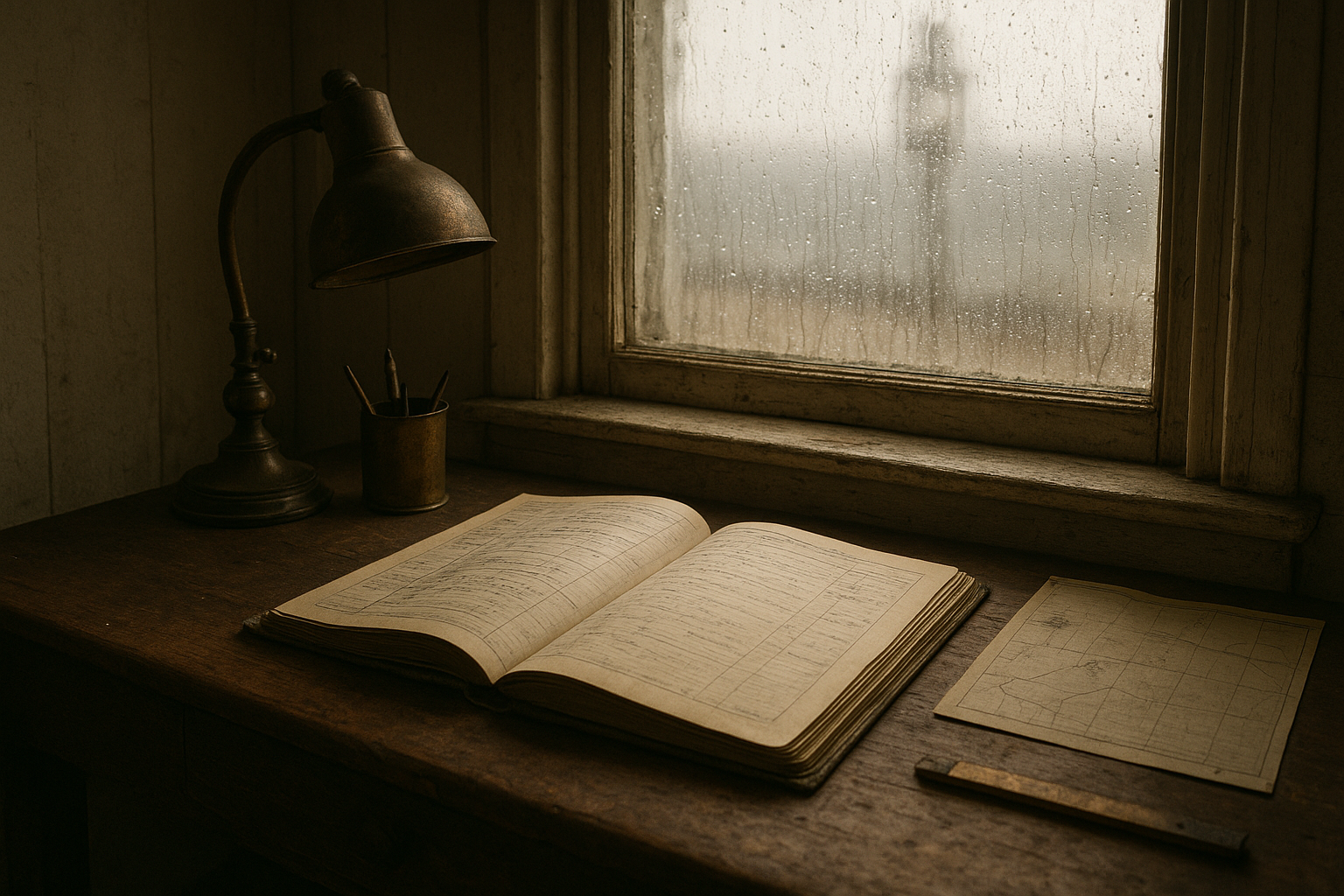
Salt air stiffened hinges, fog bells needed calibration, and stair iron required routine oiling. Maintenance was less heroic than relentless.
Tend the light
Trim wick, clean lens, confirm fuel and draft.
Watch weather
Record wind shift, visibility, and sea state by hour.
Maintain equipment
Oil gears, inspect bell striker, clear salt residue.
Signal and log
Raise daytime markers and complete end-of-watch notes.